
A lot of homeowners assume pressure washing is pressure washing, no matter what surface you’re cleaning. It’s an easy assumption to make, and it’s also the reason so many driveways, decks, and siding jobs end up looking worse instead of better. The truth is that the right cleaning method depends entirely on the surface, and using the wrong one can do real damage.
If you’ve ever wondered why your neighbor’s siding looks freshly cleaned while yours seems faded or streaky after a DIY attempt, the difference often comes down to which method was used.
What’s the Actual Difference?
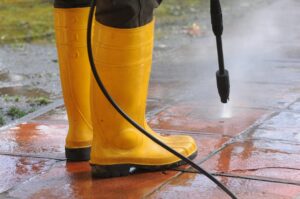
Pressure washing uses high water pressure, often in the thousands of PSI, to blast away dirt, grime, and stains from tough, durable surfaces. It’s fast and effective on materials that can handle the force.
Soft washing takes a different approach. It uses low water pressure combined with specialized cleaning solutions that break down algae, mold, and mildew at the source, rinsing it away gently rather than blasting it off. It’s a slower process, but it’s built for surfaces that high pressure could damage.
Neither method is “better” across the board. They’re built for different jobs.
When Pressure Washing Is the Right Call
High pressure works well on surfaces that are solid, durable, and unlikely to be damaged by force:
- Concrete driveways and walkways. These surfaces can take the pressure needed to lift embedded dirt, oil stains, and built-up grime.
- Brick patios and hardscaping. Brick holds up well to higher PSI, making pressure washing in Grayson GA effective for restoring color and removing buildup.
- Sidewalks and parking lots. Commercial concrete surfaces benefit from the speed and strength of full pressure washing, especially for large areas.
If a surface is hard, non-porous, and not painted or coated in something delicate, pressure washing is usually the right tool.
When Soft Washing Is the Safer Choice
Soft washing is built for surfaces that are more delicate or porous, where high pressure could cause damage rather than just cleaning:
- Vinyl and painted siding. High pressure can force water behind siding panels, leading to moisture damage, or strip paint and damage the material itself.
- Roofing. This is a big one. Pressure washing a roof can lift shingles, strip protective granules, and shorten the lifespan of the roof significantly. Soft washing removes algae and moss without that risk.
- Wood decks and fences. Pressure that’s too high can splinter, gouge, or strip wood fibers, leaving the surface rougher and more vulnerable to weather damage going forward.
- Stucco and delicate stone. These materials can crack or erode under high-pressure water, where a gentler chemical-based approach gets the same clean result safely.
If you’ve ever seen a deck with fuzzy, raised wood grain after a pressure wash, that’s force damage, not a deep clean.
Why This Distinction Matters More Than People Realize
Choosing the wrong method doesn’t just risk poor results. It can lead to costly repairs. Stripped paint, damaged siding, lifted shingles, and splintered wood all turn a routine cleaning job into an expensive fix. This is one of the main reasons DIY pressure washing attempts, especially with a rented or consumer-grade machine, often cause more harm than the dirt and grime ever did.
A professional eye matters here. Knowing which surfaces on your property need which method, and at what pressure level, is the difference between a property that looks genuinely restored and one that’s been quietly damaged in the process.
Most Properties Need Both
In reality, most homes and commercial properties have a mix of surfaces that call for different approaches. A typical property might need full pressure washing on the driveway and walkways, paired with soft washing on the siding, roof, and any wood fencing or decking. Treating the whole property with one method usually means either under-cleaning the tough surfaces or risking damage on the delicate ones.
This is exactly why a professional assessment before starting the job matters. The right approach isn’t one-size-fits-all, even on a single property.
Let Us Handle the Assessment and the Work
At North Metro Atlanta Turf and Landscape LLC, we offer expert pressure washing for driveways, sidewalks, patios, siding, fences, and commercial surfaces across Grayson, GA and the surrounding North Metro Atlanta area. We assess each surface on your property to determine the right method and pressure level, so you get a thorough clean without the risk of damage.
If your property is due for a refresh, get a free quote and we’ll handle the rest.
While we’re cleaning your exterior surfaces, it’s also a good time to handle trash bin cleaning, since dirty bins sitting near a freshly cleaned driveway or garage tend to stand out even more.
Frequently Asked Questions
What is the difference between pressure washing and soft washing? Pressure washing uses high water pressure to blast away dirt and grime from tough surfaces like concrete and brick. Soft washing uses low pressure with specialized cleaning solutions to safely remove algae, mold, and mildew from more delicate surfaces like siding, roofs, and wood.
Can pressure washing damage my house? Yes, if the wrong pressure level or method is used on delicate surfaces. High pressure can strip paint, force water behind siding, lift roof shingles, or splinter wood decking. This is why soft washing is recommended for those surfaces instead.
Is it safe to pressure wash my roof? No, traditional high-pressure washing is not recommended for roofs. It can lift shingles and strip away protective granules, shortening the roof’s lifespan. Soft washing is the safer method for removing algae and moss from roofing.
How often should I have my driveway pressure washed? Most driveways in the Grayson, GA area benefit from pressure washing once or twice a year, though homes near trees or with heavy moisture exposure may need it more often.
Do I need both pressure washing and soft washing for my property? Most properties do. Driveways, walkways, and concrete surfaces typically need standard pressure washing, while siding, roofing, and wood surfaces need the gentler soft washing approach to avoid damage.